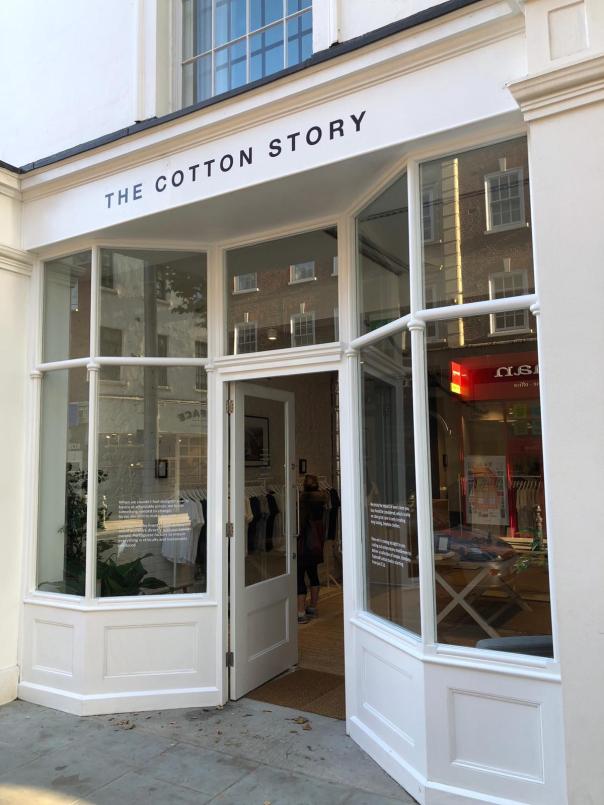
The front of The Cotton Story store on King’s Road, London.
Photo: Fiona Webborn
With scientists’ warnings about catastrophic climate change, plastic pollution and the need to reduce our meat consumption, it seems the Earth is under ever-increasing pressure. By April this year more than 3.5 million British people were living a vegan lifestyle and it seems more people are making environmentally-friendly choices in their everyday life – including the clothes they wear.
Companies actively marketing ethical and eco-friendly clothes are gaining customers at a rapid rate: the value of ethical sales grew to £38 billion in 2015. However, clothes made from sustainable materials are often expensive: for example, one of Thought’s hemp dresses costs £69.90.
One company aiming to change this is The Cotton Story. Launched this year, they aim to provide “luxury everyday clothing at a fraction of the usual price”. I interviewed Brand Director Fiona Webborn, who joined founder Leo Mellis at the start of 2018 to develop the women’s clothing line and manage their social media. I found out what their “honest prices” mean, what Supima cotton – their main material – is, and what the reaction to their products has been like.
Why did you decide to start The Cotton Story?
We couldn’t find designer quality basics that were sustainably and ethically made at affordable prices, so we decided to make our own.
When you mention “honest prices”, you offer a breakdown of material, labour and transport costs totalling £8.20 – but the products are sold at £18. Where does the additional £9.80 come from?
We detail how much it costs to make each item so you know exactly what we paid to get that item to you. The additional costs added to our final price are there to pay for taxes, staff wages, product development, office space and other necessities to keep the business running.
How are your factories ethical?
Both the cotton mill and the cut and sew factory are run by small local families in Portugal. By working so closely with them we know there is absolutely no slave or child labour in our production line. Every member of staff is paid fair wages and works in a clean, safe and comfortable environment. Our factories recycle all plastic, cardboard and metals once finished with, re-use the oils used in their machines and all our packaging is fully recyclable.
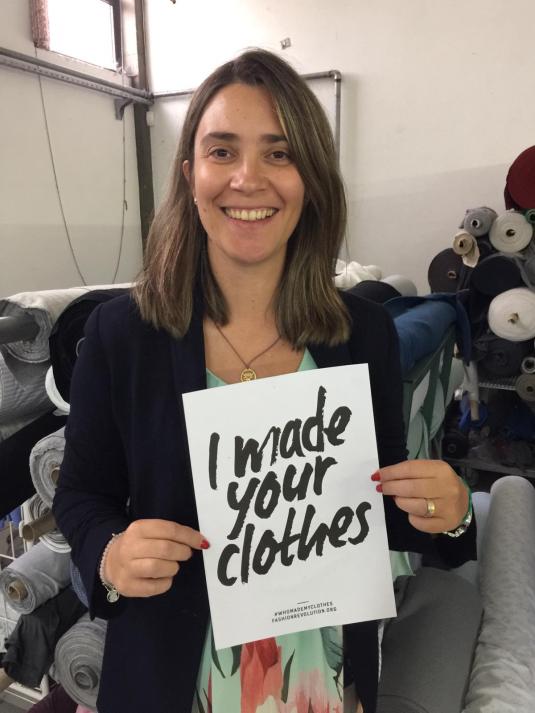
Helena, a worker at one of The Cotton Story’s factories.
Photo: Fiona Webborn
What is Supima cotton and how is it different from regular cotton?
Supima and regular cotton are two different species of cotton. The most common type of cotton typically has a fiber length of about 1 inch, whereas Supima cotton’s fiber averages 1.5 inches. Shorter fibers produce yarns that are rougher and subject to breaking. Longer fibers contribute to the strength and softness of the clothes ensuring they are more comfortable, retain colour longer and keep their form for a longer-lasting product.
Why do you think ethical clothing is important?
By supporting small factories who treat their staff like family, our customers can be sure they aren’t contributing to the problems of slave or child labour that are so prevalent in this industry. In our store we highlight the incredible workers by showing their pictures on our walls, encouraging our customers to consider the hard work they put in and to write a thank you note to the staff. By recognising a human is behind the clothing you wear, it raises your consciousness to care for your clothing and appreciate that garment in a new light.
How important is affordable eco-friendly and ethical clothing?
It costs more to make each item of clothing because more care is taken in minimising the negative effect on the environment, and each person in the supply chain needs to be paid a fair wage. Understanding that a £30 jumper made from high quality materials will last a long time supports the workers who made it, is friendlier to the environment and the customer can see it as an investment.
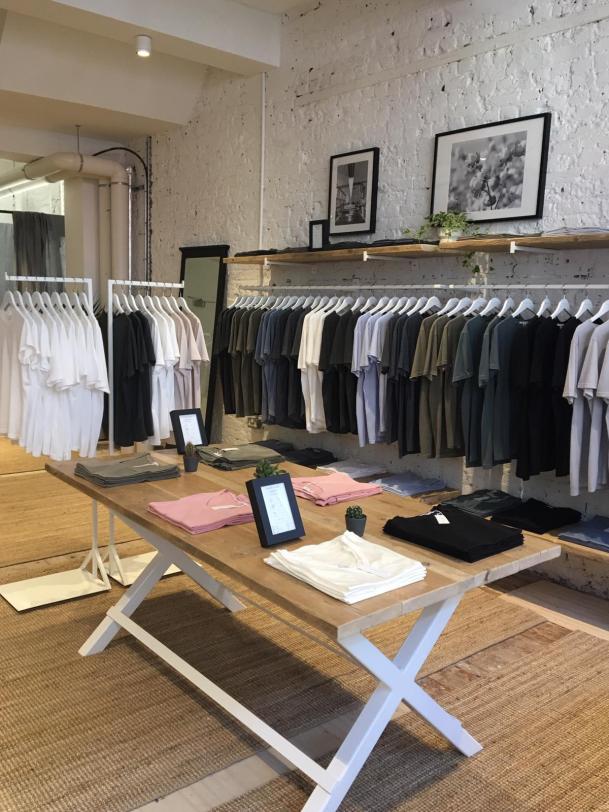
Inside The Cotton Story’s store on King’s Road, London.
Photo: Fiona Webborn
Do you think more people are wanting to be eco-friendly and ethical in their daily lives (including the clothes they wear)?
Absolutely. Whether it’s combating plastic pollution, finding alternatives to products containing palm oil or supporting workers’ rights, there’s small steps everyone can take in their day-to-day lives.
What has the reaction been like since you first launched the company?
The reaction to The Cotton Story has been so incredible and it’s made us feel extremely proud to be creating something that really resonates with people. When they tell us they’d like a longer sleeve or a heavier weight cotton we’ll listen. The most common reaction we hear is ‘I’ve been looking for so long for a simple, good quality cotton t-shirt, and now I’ve finally found it’. We hope it makes our customers feel like what they say matters to us, because it does.
The Cotton Story’s products can be found at their store on 55 King’s Road in London, or at their website: https://thecottonstory.co.uk/.
Frances Butler
 Frances' News in Norwich