Interview: Showhawk Duo

(Originally published for Outline.)

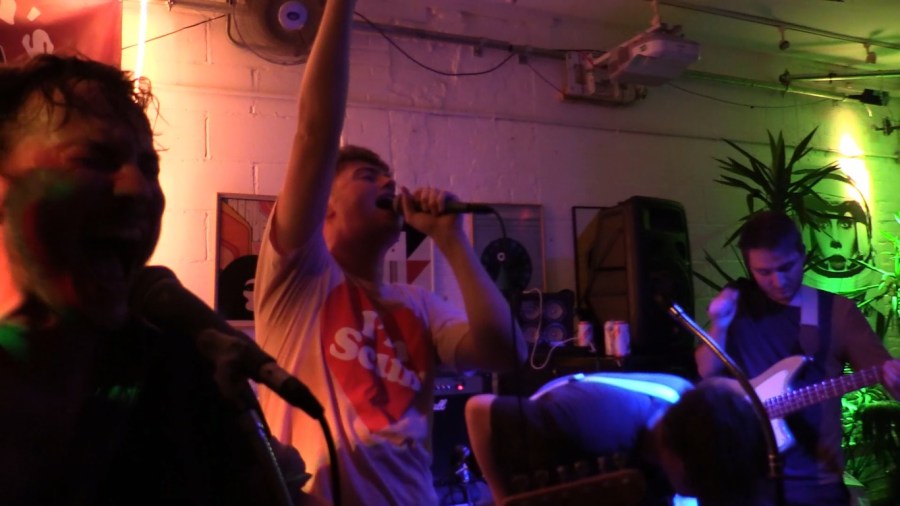
Acoustic guitar duo Mikhail Asanovic and Jake Wright – known as Showhawk – have performed their unique interpretations of dance classics at Reading and Leeds, Glastonbury and Isle of Wight festivals, Nick Grimshaw’s Radio 1 Breakfast Show and even a TEDx event in Austria.

Outline’s Frances Butler caught up with The Showhawk Duo ahead of their gig at EPIC on September 26th 2021. 


 Thank you for taking the time to speak with us. First of all, how are you both? How has the past year or so been for you?
 
We’re good, pumped and ready to play some shows after a long break! The last year or so has been tough but we’re still here and feeling like the world needs some more Showhawk.
 
Why did you first start playing music?
 
We we’re both drawn to music from a young age, guess it comes naturally to both of us.
 
What are some of your main influences?
 
We draw our influences from a lot of the great guitar players from all genres. That’s our focus, top class musicianship.
 
You both have quite different musical backgrounds. What led you to start working together?
 
Mutual love of playing guitar.

Where does the ‘Showhawk’ element of your name come from?
 
We got called Shades (Mik) and Mohawk (Jake) by some girls once when we we’re playing for one of the first times ever and that stuck for a week and then became Showhawk.
 
What made you want to interpret electronic music acoustically?
 
We had already tried everything else so it was the next natural step.
 
What are people’s initial reactions to your music like?
 
“I LOVE THAT SONG!!!! It’s all about tuning in to nostalgia.”
 
 
  You’ve performed on Radio 1, at Glastonbury, the Isle of Wight Festival, Boomtown – what is your dream place to play?
 
Glastonbury 2017 was a show we’ll never forget.
 
You have an upcoming gig at Epic Studios in September – how do you feel about playing live shows again?
 
Bring it on.
 
 For your livestream earlier this year you played a few songs from your upcoming album – what are you most excited for people to hear?

 
Prodigy and Vengaboys.
 
What are your plans for the future?
 
Keep on playing shows as long as Boris lets us!

Words: Frances Butler

Interview: Ida Mae

(Originally published for Outline.)

We caught up with Ida Mae ahead of their Red Rooster appearance, but they are clearly in demand across the UK and USA.
 
How has the last year been for both of you? 


It has certainly been a big change for us after travelling constantly for years. It has been challenging in many ways but we feel lucky to have been able to record and release our new record slowly over this year and it’s given us time to develop creatively, exploring new production techniques and genres.


What was it like returning to the UK from Nashville? 


It was difficult! We brought a lot of equipment back with us so we could keep working and between Brexit and the pandemic crossing borders had become very challenging. At that moment in time, the US election had reached a fever pitch and with the pandemic progressing there was no way we wanted to be so far from family and friends. We’ve come back with a renewed appreciation for the English countryside and the quirks of our British-ness!
 
Having been based in Nashville for a while, what are some of your favourite things about it? 


The musical community is everything in Nashville. It is inspiring to be surrounded by so many musicians and to be in a town where songwriting and creativity is so revered. Being able to pop into a bar at 2am and catch some of the best players just jamming never gets old. The music industry can be quite competitive at times but Nashville has a collaborative attitude to music that is really wonderful to be around…..

How does it feel knowing you have local support in Norfolk (for example from BBC Introducing) whilst reaching new audiences in America? 


We are incredibly grateful. We always want to be able to come home and play shows in the towns we grew up in. Having lived in Norwich I always felt incredibly lucky to be nurtured by a fantastically gifted arts community. We have always tried to include and work with home grown talent over the years. A lot of the songs we’ve taken around the world with us were first performed in The Stanford Arms in Lowestoft and The Birdcage in Norwich with the support of BBC Introducing.


What is the main difference between audiences in the UK and the USA? 
 
The U.K is always a much more reserved audience. You have to remind yourself that it isn’t necessarily a reflection of how the show is going or the level of enjoyment, there is just a different etiquette! In the U.S they shout and holler throughout the show, standing ovations and banter with the performers are much more common!  We do enjoy both types of show.


How do you feel about playing live shows again?


We really cannot wait. I am sure the first few are going to feel bizarre but we expect it will feel as though the last year didn’t happen once we are back on the road.


Where do you get your musical inspiration from? 


Everywhere…its relatively endless. I love photography and still images…Stephen Shore, William Eggleston, Martin Parr….poetry and film. So much comes from the places we go to and people we meet.


Does the honesty and vulnerability in your songs come naturally to you? 


Yes. We’ve always wanted to capture what we do in a raw state, unpolished and without compromise and that’s reflected in our recordings – …There’s always a little bit of yourself in every song but it’s not necessarily the whole truth, music and performance allows you to become an actor. That’s part of the fun.


How does the dynamic of your personal and professional relationship add to your music? 


We have always worked and sung together even before we were married so it is all we have ever known. 


What was it like writing music during the pandemic? 


We were lucky that the bulk of the new record ‘Click Click Domino’ was written in hotel rooms and in the back of cars on the road just before the pandemic took hold.  We went straight into tracking in Nashville with a real focus when the tours were cancelled and everything locked down. That initial stress and uncertainty would have been hard to write in and we had a lot of friends that couldn’t write during those early months, instead, for us that uncertainty fuelled a lot of the intensity and atmosphere in some of the new album. 

What are you most looking forward to about this new album? 


For people to hear it! We have some exciting collaborations with Marcus King and even Greta Van Fleet and we really pushed ourselves in terms of production. And now, we’re looking forward to making the next one! Each record feels like a snapshot of what was happening in that moment in time. 


Is the variety between your songs ‘Road To Avalon’ and ‘Click Click Domino’ an indication of what the new album will be like? 


Certainly is. We both grew up on a lot of records with a lot of dynamic and variety – John Marytn, Led Zeppelin, Fairport Convention, The White Stripes, Etta James  etc etc and Americana and Alt Folk are such elastic genres we let the songs lead how they’re developed and produced.
 

What is the main difference between this album and your previous work?

 
This is our first ever self-produced record. We worked with producer Ethan Johns on our first album having played very few shows as Ida Mae and he helped us begin to sculpt who we were as artists and distill our sound. This record has 100,000’s of miles under the belt and feels like a truer representation of how we perform now.


What are your plans for the future? 


We have some very exciting shows back in the States in July and the Fall including Willie Nelson’s Outlaw festival and Newport Folk Festival. We also have a London Show in August (19th at St Matthias Church) as well as an exciting full band set at Red Rooster Festival (28th Aug) which we cannot wait for. It will be the first full band set we have played as Ida Mae with Ethan Johns on drums and Nick Pini on bass so it’s going to be a real party.

Words: Frances Butler

Interview: Leo Lore

(Originally published for Outline.)

Norfolk-born soul singer Leo Lore writes songs from the heart; his emotional honesty and attitude blended with soul and jazz influences makes him one to watch. His debut single ‘Sorrow’s Golden’ was released last year, and I spoke with him ahead of the release of ‘Billie’, the first single from his forthcoming EP.

How’s this last year been for you?


It was definitely an adjustment period. The lack of live gigs was…is annoying, because that’s what I love to do, I just like to do live shows.  But feeling much more confident, now that there’s a light at the end of the tunnel.

How do you think the interaction between musicians and their audience has changed in the last year or so?


I suppose it’s that shift of being able to film work – the whole thing about Instagram is that it’s that quick content, isn’t it? The churning out of content, rather than doing a gig, or doing a set of gigs, doing a tour, and that would be it for a few months. It feels like there’s more pressure to have a constant stream of things happening.

When you were making this EP, did you feel pressured at all?


I think it was more of a personal pressure because of the content of it…I’ve never really written from such a personal perspective before, social commentary. I’m out of the picture when I’m writing songs, so I think because it’s quite difficult to write it, I just wanted to get it done as quickly as possible.

How are you feeling about finally being able to release it?
Really good. Now I’ve got a release date for the first single, it feels like it’s happening now, which is a massive weight off my shoulders. You can build yourself up for releases and put loads of pressure on yourself.

The first song is called ‘Billie’, and that’s after Billie Holiday, isn’t it?


Yeah. I was listening to loads of her at the time that I wrote that. If I find an artist that I love, I just listen to them – exclusively! And I thought that I would name it after her.

Why did Billie Holiday have such an impact on you? She’s from the 50s era, so she’s not someone you would necessarily come across.


My brother listened to loads of jazz when I was younger, Sinatra and Ella Fitzgerald and people like that (…) and this one album – a compliation album, one with Billie Holiday.
It was just the purity of her voice, and the more I listened to her and looked into her life and what she’d been through, she was just so defiant in her music. I just love her whole being.

With [‘Sorrow’s Golden’] and ‘Billie’ – they’re different musically, but both raw emotionally – how did you become comfortable with being so open about your feelings?


The first tune that I wrote, ‘Sorrow’s Golden’, and ‘Billie’ – I was writing it not ever thinking in my head that I was going to release it. I could tell that I was getting in my head about it and worrying about what people think. Obviously a man talking about another man, it should be normal by now but definitely isn’t. For that same reason I was like, I need to be better about it. I need to be cooler about it, I need to be more confident about it, and for other people’s sake. For other people to hear that.

You mentioned that when you were growing up, there was a lack of queer role models for you to look up to or relate to. Being more open about your sexuality, do you think if someone finds your music, it might help them as well?


Yeah. If one queer kid finds comfort in themselves quicker that I did because of a tune I wrote – I don’t know how likely that is – but if that does happen, then I’ll be well chuffed.

Are you looking forward to being able to play your EP live?


I’m literally now getting in touch with a few old mates of mine who are from this kind of area in London, to put on shows. I think it’s going to be really weird, to start with. It’s certainly going to feel different. I’ve done solo acoustic gigs before, but having to translate a full track, project, try and create a live show… we’re now trying to work out how to do that. In that sense it will be different than normal.

What are your goals for the future?


The plan is just to release the EP, play a live show, feel normal again and get back in the studio!

‘Billie’ will be released on the 26th of March, with the EP to follow later in the year.

Words and audio: Frances Butler

Interview: Maya Law

(Originally published in Outline.)

We caught up with Maya ahead of her new single release on April 10th, and later in the year look out for her EP launch.

Maya Law lives and breathes music. Releasing her debut album at 18, she went on to support artists such as Loyle Carner and Akala, perform for BBC Introducing and play the legendary Roundhouse venue in London. I sat down to chat with her ahead of the release of her new EP ‘Hitchhiking’ in April – her first body of work in 4 years. 

 
Why did you start playing music?


I started because my brother did it first. He’s five years older than me, he’s in a band and used to play all the time growing up, so I pretty much just copied him and started playing guitar when I was about twelve, and then straight away started writing my own stuff.
 
What would you say are your main influences?

I grew up listening to a lot of Ray Charles, Aretha Franklin and Janis Joplin. My mum’s records basically. Then Amy Winehouse was a massive influence and people like that really, a lot of strong female role models.
 
Your songs are quite heartfelt and honest – how do you go about writing them?

It just comes out of me quite naturally. Every time I’ve tried to sit down and write a song it’s always really rubbish. It just kind of falls out, but then I think that is the best way to write.
The songs I never intended to post or share are the most successful – the songs where I think ‘ooh, I don’t think I want to show anyone that, that was a bit too much’ – but I think people respond better when they know that it’s true.

Which track from the EP do you really want people to hear?


I’ve just been sent an almost-finished product of ‘Say It Ain’t So,’ which is the second track on the EP, so that one probably because it’s the newest in my head.
It’s the first part of the EP; so the EP is split into two. The first half and the first part of the middle track is acoustic, then from that point onwards the full band comes in.
 
Why did you want to move from just acoustic to a full band?


I don’t want to stick myself in a box and say ‘this is what I’m doing now’. For me this EP is more like: I started off doing this by myself when I was 15, now I’m going to start doing this for a little bit, maybe the next thing I do will be completely different…
The EP is called Hitchhikingand that was kind of the idea behind it.
It’s super cheesy – but you can be still figuring out what you’re doing but still be on the way somewhere, and not know necessarily where you’re going. I think we’re all doing that in some way.
 
After the EP comes out, do you have any plans for the future?


I am planning on heading to London, which is quite exciting, but I’m not 100% certain on what I’m doing yet.
I will be putting out little bits and pieces after this EP, maybe with some new producers… I don’t really have a plan, I’m just trying to focus on this for now, and then think about that when it happens!

Words: Frances Butler

Making it in the Music Industry: Norwich’s New Artists

A little over three months ago, I decided to undertake a music documentary for the final part of my Masters course. In an increasingly digital age, performing live shows and selling physical copies of albums and EPs has become harder than ever.

In 2014, Forbes published an article claiming the old business model of releasing music, getting radio play, selling copies and touring an album has become increasingly difficult. The internet has provided access to free music, downloads and streaming meaning bands have less power over the consumer than they used to – in 2015, Careers in Music published an article showing the record industry shrunk by 64% between 1999 and 2011. With the ability to upload music to platforms such as Soundcloud, YouTube and livestream shows on social media, artists can put music online without ever having performed a show – however, many artists still rely on gigs and tours to promote their music.

In August, German statistics website Statista produced a graph which shows since 2015, the amount of Spotify’s paid subscribers has risen from 18 million to 108 million. How does the price of streams compare to the price of a physical product, such as a CD? In a world where streaming is rising and physical album sales declining, can artists afford to make a living from Spotify streams alone?

That would be very difficult according to an infographic from Information is Beautiful – not including the royalties paid to songwriters,  an artist requires 4,053, 110 plays per month to earn minimum wage. Many of the artists I spoke to need to have at least one other job, if not two, to be able to afford to make music.

Myself and Ali McMordie from Stiff Little Fingers at The Waterfront. Photo: Oldrich Capek

What is it like to be a musician starting out in the music industry in 2019?

A city well-known for its Medieval history, quaint lanes and more recently its football club, I wanted to find out more about Norwich’s local music scene – which artists were trying to get their name out there, how they were doing it and what their biggest obstacle was. I also wanted to speak to musicians with a more established history, to learn how the industry has changed since they were starting out and what their biggest challenges were – and still are.

I wanted to know what the main challenges new musicians in the industry are struggling with, and what their biggest challenge is – whether it’s money, promotion, the logistics of live shows or something else – and how it might be different to the challenges faced by musicians who started out 20 or 30 years ago.

Speaking to emerging local artists Niamh and Bag Of Cans – as well as experienced musicians from art-rockers The Neutrinos and Irish punks Stiff Little Fingers – I headed to the streets of Norwich to find out.

More information on each of the musicians featured in the documentary can be found here:

Bag Of Cans: https://www.facebook.com/BagOfCansBand/

Niamh: https://www.facebook.com/soundofniamh/

Stiff Little Fingers: https://www.facebook.com/StiffLittleFingers/

The Neutrinos: https://www.facebook.com/TheNeutrinosCollective/

John O’Shea (The Moochers): https://www.facebook.com/themoochersuk/

The McCurdy Brothers: https://www.facebook.com/The-Mccurdy-Brothers-1381436918650461/

Normandie: https://www.facebook.com/normandieofficial/

Frances Butler


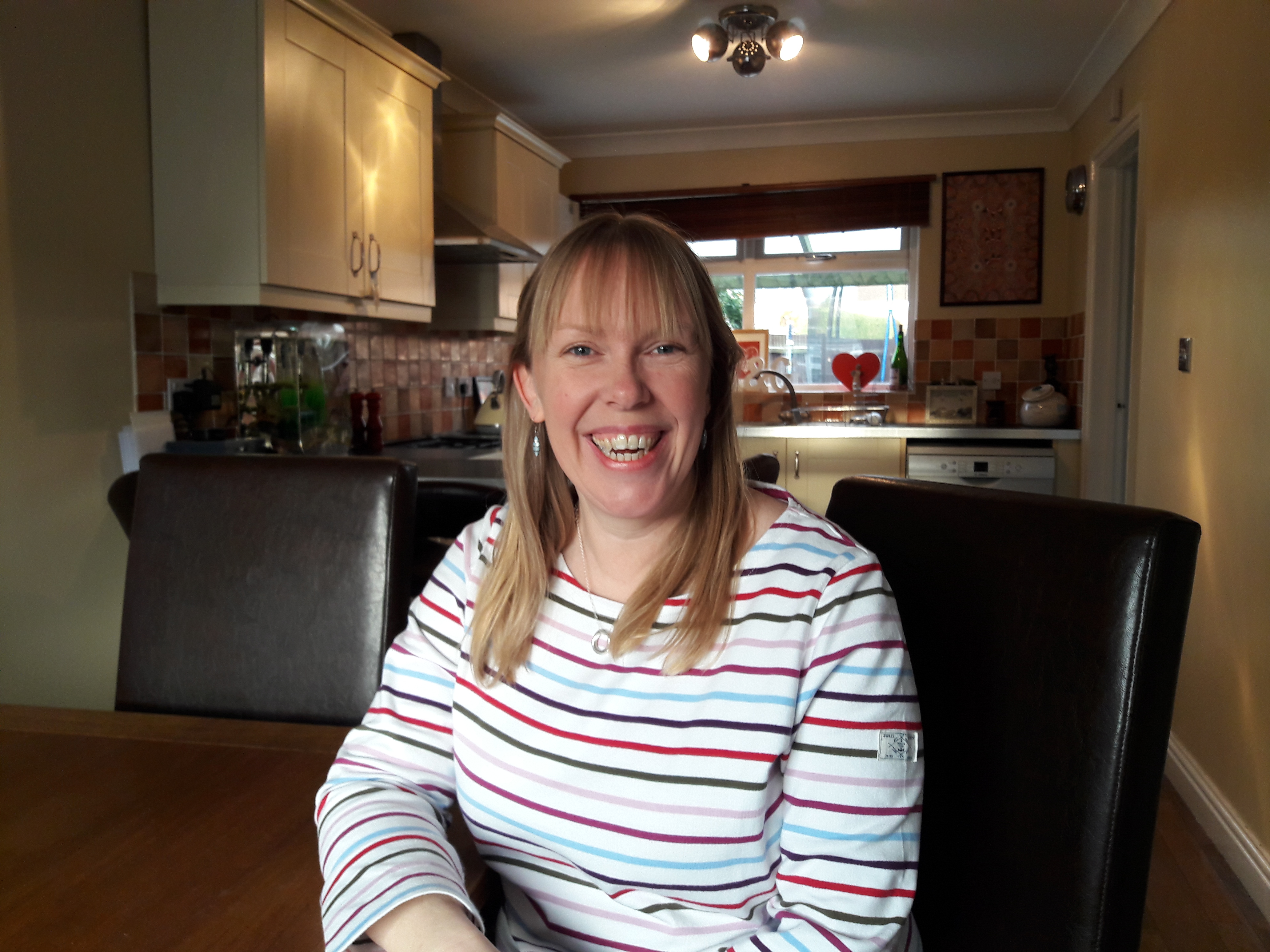
Emma Smith: “It’s got to be meaningful and make a difference.”

20190107_092715

Emma at her home in Cambridgeshire.

Photo: Frances Butler

Emma Smith has recently become a qualified Ollie Coach, helping young children with issues such as bullying and family trauma.

I meet her at her home one cold Monday morning, where I am welcomed in with a smile and a cup of tea. We sit down at her dining table and she explains why, after 20 years in the teaching profession, she made the switch from teaching to coaching – and what it all means to her.

As a child, she insisted that when she grew up, she would be a teacher. Despite their disbelief due to her young age – “lots of people laughed about it because I was so little” – it never left her.

After obtaining a Linguistics degree from York University, she applied for a Post Graduate Certificate in Education (PGCE) in primary school teaching at the University of Cambridge, focusing on the social and pastoral side of education. She had a “fantastic career” in her 20 years of teaching: both in England and overseas, as a team leader, Deputy Head and Head of School – but she was ready for something new, and kids’ mental health has always been her passion.

Emma’s words are often punctuated by laughs as a sign of her cheerful personality. However, she becomes serious when describing the moment when, as a teacher, she was first concerned about children’s mental health.

A young girl was self-harming at the age of 10 and was unable to access any immediate help, as she didn’t meet the thresholds. She remained on the waiting list for 6 months.

The referral guidelines for Child and Adolescent Mental Health Services (CAMHS) can be found here. In 2016, a Children’s Commissioner Lightning Review revealed that 79% of CAMHS providers imposed restrictions and thresholds on children and young people accessing their services – meaning that unless the case was sufficiently severe, they were unable to access their services.

Emma grew frustrated when she was told the girl would have to wait, as there weren’t enough people available.

“If you’re self-harming, a week is a lifetime. 6 months is not good enough.”

Last year, both the government and the Times Educational Supplement (TES) discussed the problems surrounding children and young people’s mental health. In July 2018 the government published their green paper, Transforming children and young people’s mental health provision. It reported that “around 1 in 10 children had some form of mental health disorder.” The paper outlined plans including a mental health lead in every school and college by 2025, and reducing wait times to 4 weeks for those in need of urgent help. In their issue on the 30th of November, TES published an article beginning with a statistic from NHS Digital’s survey revealing that “on average, three pupils in a class of 24 will be struggling with poor mental health.”

Children’s mental health has never been more important, says Emma. They are our future adults who will be “running our jobs and running our country – so why aren’t we chucking more investment at them and helping them now?”

Following her initial concerns as a teacher, Emma knew she wanted to get involved with children’s mental health – but how? She didn’t want to return to university or have to retrain.

“I found out about Ollie and His Superpowers, which was a real turning point for me.”

Ollie Cover

Ollie and His Superpowers by Alison Knowles. 

Photo: Emma Smith

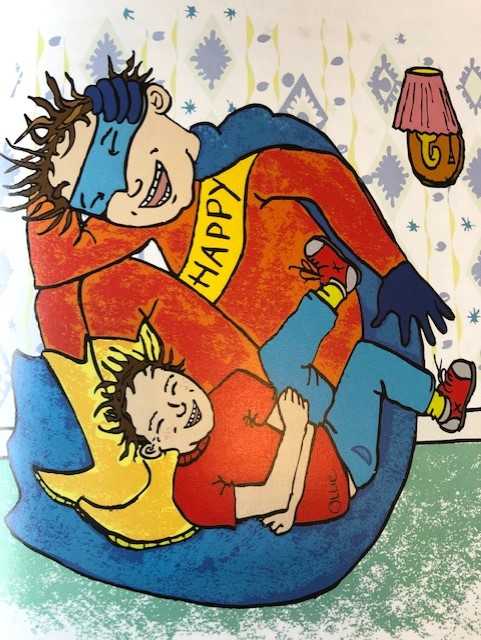
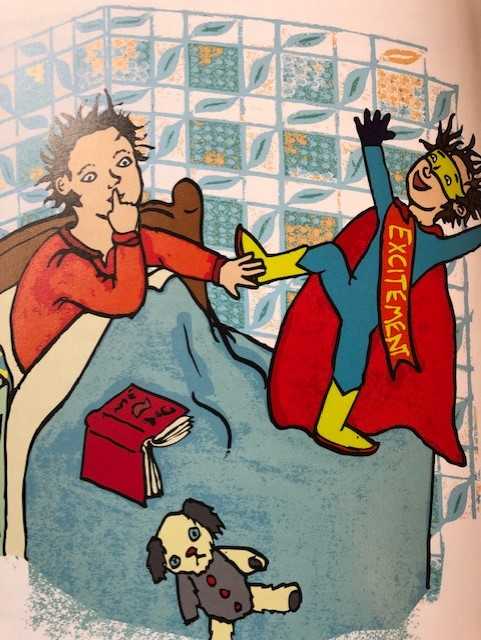
  Ollie and His Superpowers is a book by Alison Knowles, who developed the Ollie Coaching programme to help children and adults develop good mental health habits. Ollie has smaller versions of himself for each emotion – such as Happy, Sad, Scared or Excited. The main aim of the coaching programme is to reduce the number of young people getting to crisis point, through group and one-to-one sessions as well as school visits. Emma works with children between 4 and 11 and recognises the Ollie programme won’t solve everything, “but if we save one child from self-harming, to me that’s a win-win. Every one of those statistics is too high in my view.”

She says many parents struggle financially and logistically with accessing the mental health services available, and as an ex-Headteacher, her main difficulties were how high the thresholds were and finding the money to fund the services.  Along with two other Ollie coaches, she is currently designing “plans, assemblies, parent workshops we can roll out for our under 7 year olds, in the hope that we can get in before there’s a problem.” Getting mental health introduced into the curriculum from age 4 and up wouldn’t need much, she says – it would only “need a few key lessons fed into what you’ve already got.”

She has always used stories as a way to open up difficult subjects for children, as asking them directly can be too much. She says when reading a book, a child may start talking about the character in the story, but often they are talking about themselves – which works with the Ollie technique of disassociating a feeling or an event from a child. The concept of Ollie is about children “controlling their emotions and learning to self-regulate – and help them identify what a feeling is.”
Ollie Happy

Ollie and the “Happy” version of himself. 

Photo: Emma Smith

One book in particular – Granpa by John Burningham – helps to discuss bereavement. At the end of the book, Granpa’s chair is empty. Emma says this image is important because for “some little ones, it goes over their head – the kids who are ready, who clock it, say “he’s dead”. It’s opening up conversations about bereavement when they’re ready.”

To become an Ollie Coach, the training takes at least 6 months. One weekend a month in London for face-to-face training, as well as reading, essays, case studies and a practical assessment. Emma’s group of 15 were the first to take the Ollie course from scratch, as the training was previously used as an add-on for counsellors and therapists.

One of the main Ollie Coaching techniques is “anchoring” – finding memories of when the child felt happy or confident and drawing on those.

Emma tells me: “When you say to a young child, ‘where’s your heart, where’s your toe?’ they know all those things. When you ask them, ‘where’s happy?’ it’s a bit grey, it’s a bit muddled. Some children say happy is in their tummy, it’s a hot feeling, it’s the colour yellow. Once it’s tangible, you have more chance of working with them.”

One young boy was worried about playing football at lunchtime, so Emma helped him to find moments where he felt calm and confident and develop a method of tapping his pocket to anchor himself when playing.

As Ollie Coaches work closely with children and their mental health, Emma’s main responsibilities are child protection and safeguarding, which she takes very seriously. A child may say something during a session that Emma has a responsibility to pass on, “because I always say that in a community you need to be the ears and eyes if you see something that doesn’t look right.” An agreement with the parent is always set up, due to the child’s young age and because “you’re dabbling with someone’s wellbeing, and that’s quite a fragile part of themselves.” However, Ollie Coaching is not always appropriate for everyone. As part of the training process, Emma had to read potential emails from parents and assess which clients she would take on. For example, she would not do Ollie work with someone who was suicidal. For those higher need issues, Emma says, “they do need to go through the medical profession.”

The issues Emma deals with most are family bereavement and illness, bullying and anxiety. She was surprised at how much low-level anxiety she would unearth. She says for some children, “everything looks okay, they’ve got nice friendships, they’ve got hobbies –  but there are some things that really stop them in their tracks, getting a bit paralysed with fear.”

“Why is there more anxiety? I’d love to know the answer to that.”

I ask her what she thinks might be causing these issues. She says that for whatever reason, we’re seeing more cancers and medical conditions, a more pressured school system and parents are also finding life difficult: “I met more parents than ever as Head who were stressed, were depressed, suffering from anxiety themselves, and we know with children that they pick up on that, as much as parents don’t want them to.” Children are under more pressure to perform well at schools. One child in Reception showed her his work and was already thinking about he could improve it.

“At the age of 4, do we really need to be that hung up yet, on how to make it better next time?”

Emma often sees children becoming more aware of their feelings, recognising that all of them are needed and can be regulated. “Feelings aren’t scary anymore – we take these feelings out to talk to them, you see.”

Emma demonstrates.

“Do you mind if I just take out Worried?”

She stretches out her hand away from us, as if she’s holding a tiny person in it.

“Suddenly, Worried is over here and he’s only a little part of you, because you’re a whole big person.”
Ollie Excitement

Ollie and the “Excitement” version of himself. 

Photo: Emma Smith

Since becoming a coach, one girl has made the biggest impact on Emma. “I had the biggest change with her, it was amazing.” During her first session, she refused to sit at the table and kept asking when she was going home – but eventually, she learnt to regulate her fear enough to visit a family member who was going to pass away. After the sessions had finished, the girl’s mother rang to say she had been teaching her friend some of the techniques.

Helping children learn to manage their anger is another important part of Emma’s work. She doesn’t tell them anger is bad because “that’s not real life.” Instead, she works with them to take away any fear and figure out what they are feeling. When identifying anger, “you’re not saying being angry is wrong, what you’re saying is when Angry takes you over, and you hurt somebody, that’s the bit you get in trouble for.”

“We help them think of ways to shrink Angry, or let Angry out of their body in a way that doesn’t hurt somebody.”

Has becoming an Ollie Coach made Emma more aware of issues her own child might face?

Completely, she says. It’s already helped her be a better parent. “From having done the course, I can look at my son and almost predict some future hotspots, and I get a chance to get alongside him, maybe even before it becomes an issue for him – which is such a luxury.” For Emma, being a mum is a huge part of her life. Being an Ollie Coach allows her to make a real difference to other families, whilst also focusing on her own.

“Parenting is a rollercoaster and it’s wonderful. Being a mum is my greatest achievement.”

Her roles as a teacher, a mum and as an Ollie Coach are all extremely important to her. In today’s world, she says, “you see a lot of families are battling losing people to cancer, you hear of horrendous attacks, assaults, suicide. Life is turbulent for families, and that is going to knock on to our little people.” Working with the Ollie programme allows her to help children affected by those issues, and in turn, their families. “We can’t shield them from it, we can’t bubble wrap them – but we need to try and give them the tools to navigate it.”

To find out more about Ollie and His Superpowers and the Ollie Coaching programme, visit: https://www.ollieandhissuperpowers.com/.

Frances Butler

The rise of eco-friendly, ethical clothing: The Cotton Story

IMG-20181119-WA0005

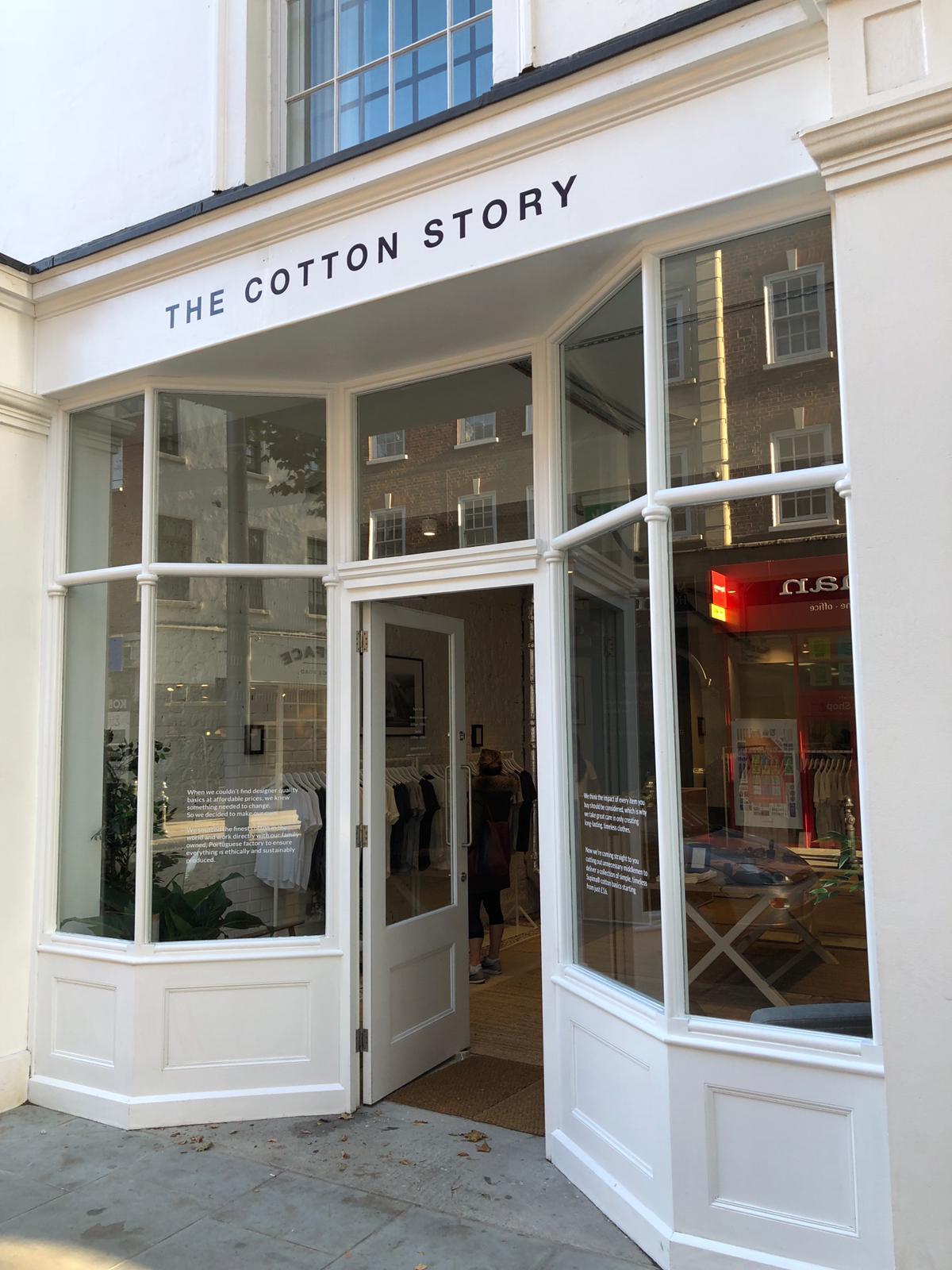
The front of The Cotton Story store on King’s Road, London. 

Photo: Fiona Webborn

With scientists’ warnings about catastrophic climate change, plastic pollution and the need to reduce our meat consumption, it seems the Earth is under ever-increasing pressure. By April this year more than 3.5 million British people were living a vegan lifestyle and it seems more people are making environmentally-friendly choices in their everyday life – including the clothes they wear.

Companies actively marketing ethical and eco-friendly clothes are gaining customers at a rapid rate: the value of ethical sales grew to £38 billion in 2015. However, clothes made from sustainable materials are often expensive: for example, one of Thought’s hemp dresses costs £69.90.

One company aiming to change this is The Cotton Story. Launched this year, they aim to provide “luxury everyday clothing at a fraction of the usual price”. I interviewed Brand Director Fiona Webborn, who joined founder Leo Mellis at the start of 2018 to develop the women’s clothing line and manage their social media. I found out what their “honest prices” mean, what Supima cotton – their main material – is, and what the reaction to their products has been like.

Why did you decide to start The Cotton Story?

  We couldn’t find designer quality basics that were sustainably and ethically made at affordable prices, so we decided to make our own.

When you mention “honest prices”, you offer a breakdown of material, labour and transport costs totalling £8.20 – but the products are sold at £18. Where does the additional £9.80 come from?

  We detail how much it costs to make each item so you know exactly what we paid to get that item to you. The additional costs added to our final price are there to pay for taxes, staff wages, product development, office space and other necessities to keep the business running.

How are your factories ethical?

  Both the cotton mill and the cut and sew factory are run by small local families in Portugal. By working so closely with them we know there is absolutely no slave or child labour in our production line. Every member of staff is paid fair wages and works in a clean, safe and comfortable environment. Our factories recycle all plastic, cardboard and metals once finished with, re-use the oils used in their machines and all our packaging is fully recyclable.

IMG-20181119-WA0000

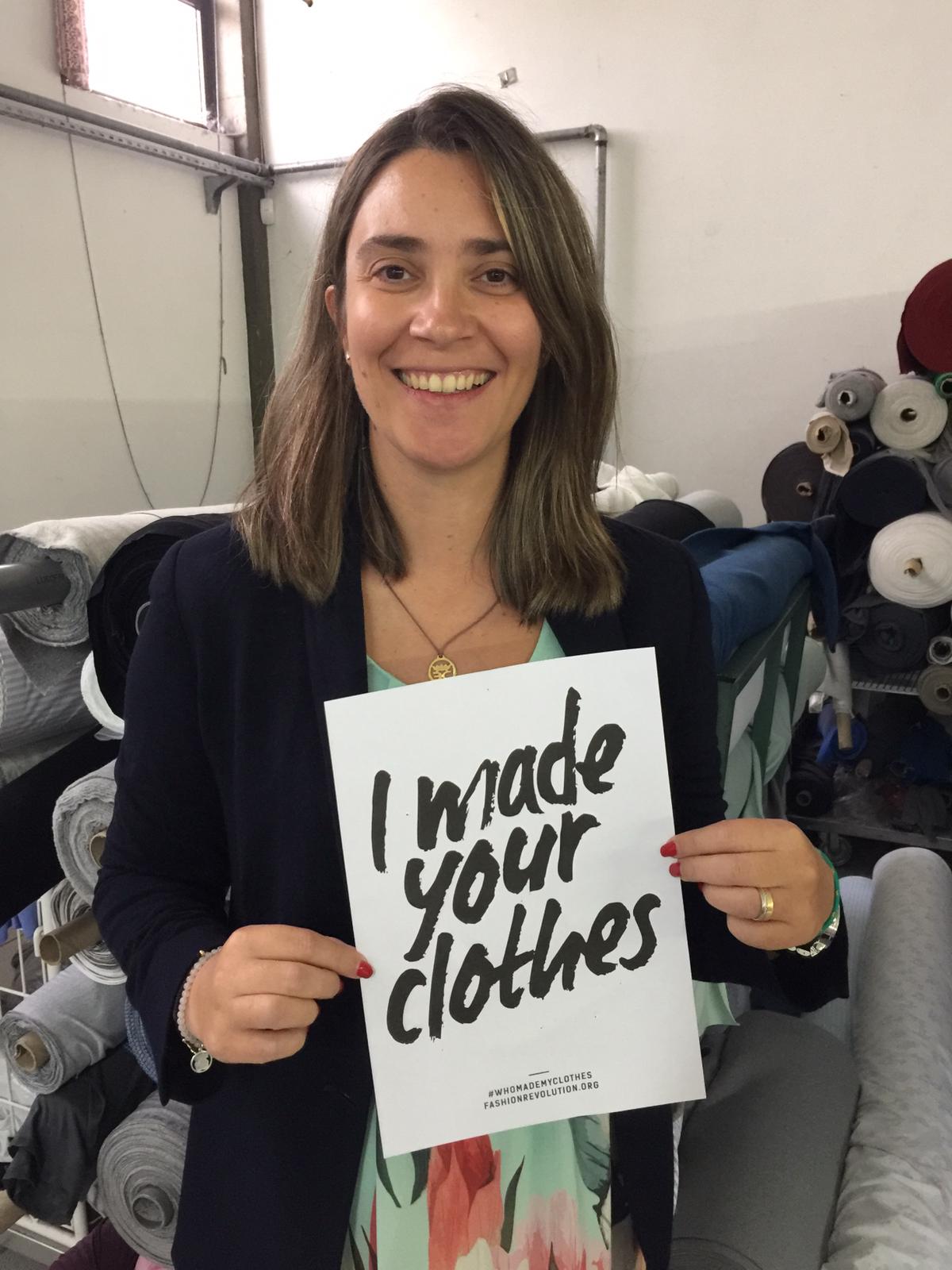
Helena, a worker at one of The Cotton Story’s factories.

Photo: Fiona Webborn 

What is Supima cotton and how is it different from regular cotton?

  Supima and regular cotton are two different species of cotton. The most common type of cotton typically has a fiber length of about 1 inch, whereas Supima cotton’s fiber averages 1.5 inches. Shorter fibers produce yarns that are rougher and subject to breaking. Longer fibers contribute to the strength and softness of the clothes ensuring they are more comfortable, retain colour longer and keep their form for a longer-lasting product.

Why do you think ethical clothing is important?

  By supporting small factories who treat their staff like family, our customers can be sure they aren’t contributing to the problems of slave or child labour that are so prevalent in this industry. In our store we highlight the incredible workers by showing their pictures on our walls, encouraging our customers to consider the hard work they put in and to write a thank you note to the staff. By recognising a human is behind the clothing you wear, it raises your consciousness to care for your clothing and appreciate that garment in a new light.

How important is affordable eco-friendly and ethical clothing?

  It costs more to make each item of clothing because more care is taken in minimising the negative effect on the environment, and each person in the supply chain needs to be paid a fair wage. Understanding that a £30 jumper made from high quality materials will last a long time supports the workers who made it, is friendlier to the environment and the customer can see it as an investment.

IMG-20181119-WA0010

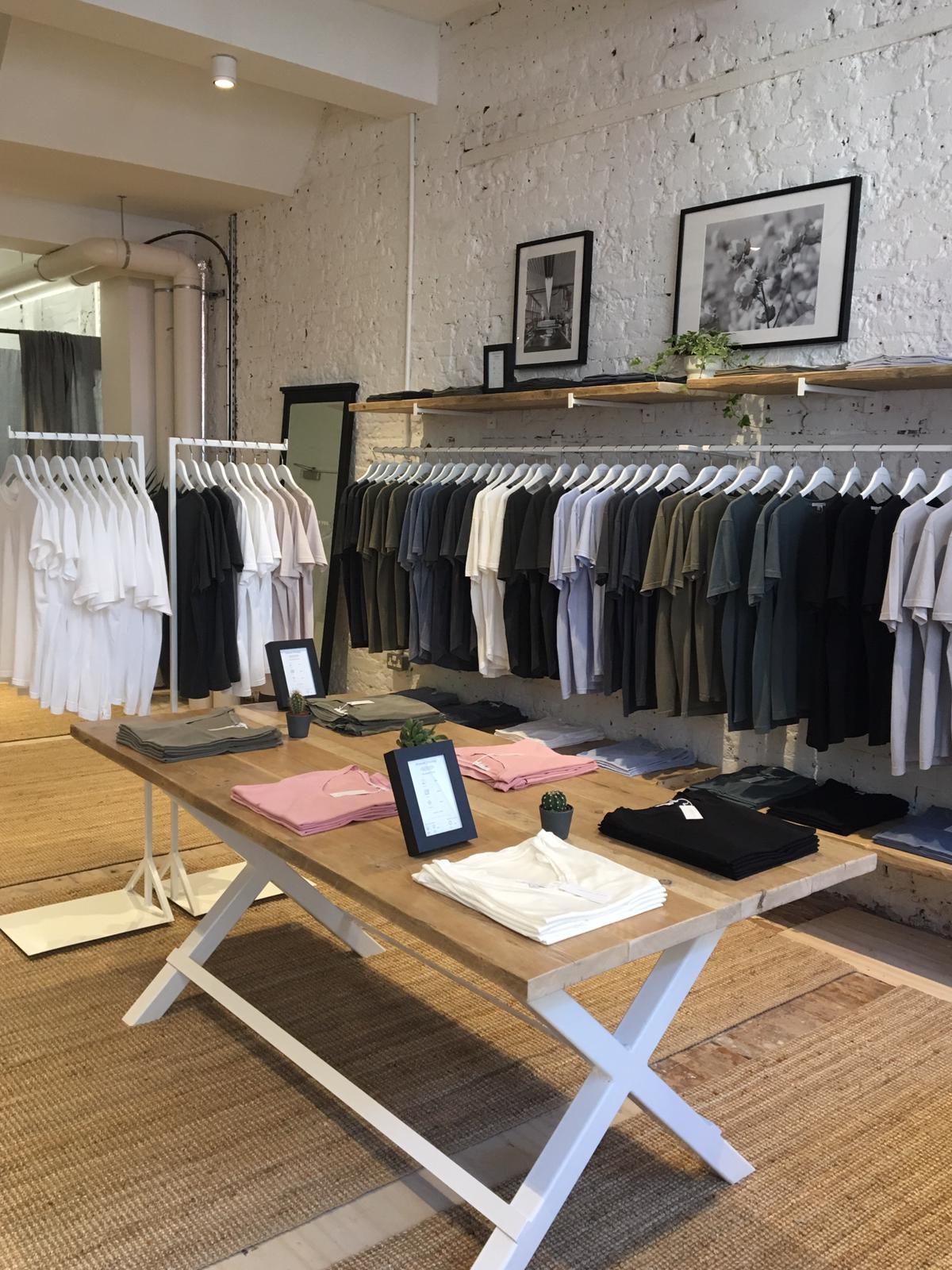
Inside The Cotton Story’s store on King’s Road, London. 

Photo: Fiona Webborn

Do you think more people are wanting to be eco-friendly and ethical in their daily lives (including the clothes they wear)?

  Absolutely. Whether it’s combating plastic pollution, finding alternatives to products containing palm oil or supporting workers’ rights, there’s small steps everyone can take in their day-to-day lives.

What has the reaction been like since you first launched the company?

  The reaction to The Cotton Story has been so incredible and it’s made us feel extremely proud to be creating something that really resonates with people. When they tell us they’d like a longer sleeve or a heavier weight cotton we’ll listen. The most common reaction we hear is ‘I’ve been looking for so long for a simple, good quality cotton t-shirt, and now I’ve finally found it’. We hope it makes our customers feel like what they say matters to us, because it does.

The Cotton Story’s products can be found at their store on 55 King’s Road in London, or at their website: https://thecottonstory.co.uk/.

Frances Butler

Never Mind The Boybands, Here’s Pale Waves

Pale Waves Frances Butler
Pale Waves at the Waterfront Studio.
Photo: Frances Butler
 

Pale Waves came to Norwich on October 25th for a raucous show. Frances Butler was fortunate enough to catch a word with the new indie darlings prior to their Waterfront Studio show.

How is tour going?

Heather: Really good. Last night in London was amazing, it was probably my favourite show. There was a stage invasion.

Ciara: We had to start the song again. Someone fell into my drum kit, Charlie’s bass came out and there was no sound.

What are your plans in regards to future music?

Heather: We’ve got an EP coming out, the first track on it is our next single. It’s been done, finished, sent to radio, so that should be coming out very soon. There’s another three tracks on the EP, and then we’re looking to record the album.

How do you feel about being female musicians in the music industry?

Ciara: I think one of the bad things is people just coming to the shows because of attraction – especially towards Heather – and being a bit creepy. The first show we did, the Birmingham show, Heather was like “it’s really hot on stage” and someone shouted “take something off.” It’s uncomfortable.

Heather: We’re encouraging other young girls to get into music.

Ciara: And not be scared of it. I can’t count how many girls have said to me “I really want to do drums,” and it’s good, because no-one’s going to stop you from doing it. It is quite intimidating to play an instrument which is quite male dominated.

Heather: The industry is quite male-dominated still. With women being in the industry and making a name for themselves, it’s getting more popular these days and is really encouraging other women. It shouldn’t be dominated by any gender.

Ciara: I don’t think we’re seeing the full effect of it, because we’ve got loads of fans who love us and don’t care what gender we are, or maybe love us even more because we’re girls doing it. It’s a mixed gender band as well, I love how we’ve got the two boys and I wouldn’t change that for anything.

Is there anything you’ve done in this band that you didn’t think you’d be able to do?

Ciara: This tour.

Heather: Being treated like it’s our show is really strange for us.

Ciara: We’ve never had that. I feel like our career has come at a really nice pace, so we can appreciate absolutely everything. It’s been a really long process. Playing loads of shitty shows in Manchester. Really bad gigs. You always grow as a person as well, if it takes a bit longer. When you get to stage like this, you know exactly who you are, what you want your band to be, how you want to come across. You need to do all the shit things, you need to struggle, because if you don’t, you’re not going to appreciate it.

Frances Butler

Mallory Knox: “Everyone is trying their hardest to keep music alive.”

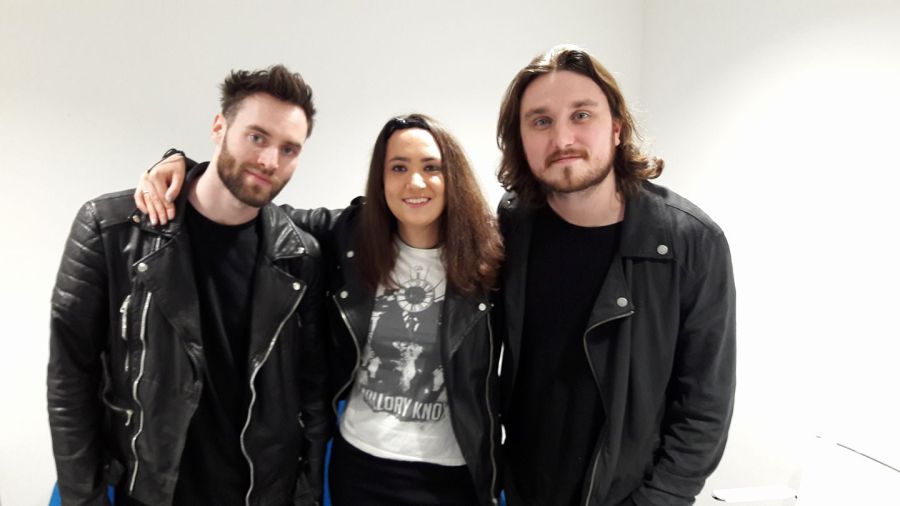
James Gillett (left), myself and Sam Douglas (right) before the show.

Photo: Joe Savins

(Originally published for Concrete). Please note: The original top photo used for Concrete has been replaced by the one taken by Joe.

Cambridge-based rock band Mallory Knox consists of lead singer Mikey Chapman, bassist and singer Sam Douglas, lead guitarist Joe Savins, rhythm guitarist James Gillett, and drummer Dave Rawlings. On the third night of their UK tour I spoke to Sam and James about family, the music industry, and the influences behind new album Wired.

Why did you decide to become a band, and why the name Mallory Knox?

Sam: Music’s been there for us since we were about 13. We did the whole being a kid, playing on a back of a lorry with your parents only the ones there to watch you – it kind of spiralled from there. Ever since this band has been taken seriously we haven’t looked back. We needed a neutral name. Mallory Knox could be a metal band, or pop punk, you can’t work it out. We didn’t want to be defined straight away from the name. You don’t judge a person from their name when you meet them for the first time, so why should you judge a band?

What does this band mean to you?

Sam: It’s everything. Speaking for myself, it’s been my life for the past eight years – everything I’ve got in my life right now is built from this band. It’s what I put everything into every day when I wake up in the morning, it’s the first thing I think about.

James: It’s not until recently we can go, “You know what, I don’t really know what I would do without this”. You take it for granted. Things fell into place quite easily for us early on. Now we’ve got that drive and passion again – we never lost that, but we’ve got it more so. We want an influence on every decision being made, we care about every little part of it again.

What do you think the fans’ reaction to Wired has been like?

Sam: I wanted to have an album from 1 to 11 where people would genuinely enjoy listening to it the whole way through. I think that’s what’s happened – you could probably put 5-10 of our fans in a room and go “what’s your favourite song from Wired?” and I would guarantee that at least seven or eight of the songs would be mentioned within those ten people. You can dream about chart positions and you can dream about venues, but at the end of the day you can only achieve what’s in front of you.

How is Wired different from previous albums?

Sam: When we wrote Signals we were what – twenty? Now I’m 27, I’ve seen the world, I’ve missed my family, my friends and girlfriends, and emotions are a lot more intense now – there’s a lot more life stresses involved, so that alone created this frustration and anxiousness. I think you can hear how vulnerable the songs are at times. It’s so easy to get carried away and put layer after layer after layer, tuning every little bit so it’s perfect, but those little imperfections match the insecurities we felt when we were writing the record.

James: Everyone is trying their hardest to keep music alive, that’s what it’s all about. Record sales are on their arse. You have to try to keep the interaction with people, that’s why social media is such an important thing. That is a subject we touch on, how it is so necessary these days but also so bad in places as well.

What about songs like ‘Mother’, in particular?

Sam: ‘Mother’ is a song that we all relate to. It’s a tip of the hat to your parents; thanks for supporting me for the first four years when I wasn’t making any money and letting me live rent-free and letting me follow my dream, and I know that it was stressful at times and I know you miss us when we’re away and you see us when we’re stressed, but you still stand by us. My parents, regardless of their own personal difficulties, stuck together and still were my parents regardless of what they went through together, and I really fucking respect that.

It’s been six years since your Pilot EP came out. What is the most important lesson you’ve learnt since then?

Sam: To never lose track of what you want and how you want to be Mallory Knox, without drifting away. The biggest lesson you can learn is that you have to put in everything you’ve got to reap the rewards – it’s not just going to fall into your lap, no matter what. For a band like us, you’ve got to give it everything. You’ve got to strive to be the best, constantly – to survive in this fucking industry that is sometimes too hard. That would be my advice to myself from six years ago – do not lose hope and faith and belief in what you’re doing, and always strive to be better.

James: In the early days, you’ve got to enjoy moments like “we’ve got a record label, oh my god!”, but we’ve learnt now to still be in control. No-one is going to care about your band as much as you.

Sam: It’s very much like a football club; players, managers, coaches will all come and go but the fans stay forever.

What do you think is the biggest thing you’ve been able to do as a band?

Sam: The Roundhouse was a moment. One of those moments where you don’t know what you’re doing until you watch it back a few days later and you’re like, “Fuck!” That’s still my number one.

James: When you’re older and you tell your kids you got to go to America, they’ll think “that’s cool,” but then you go, “we played this venue and look how many people were there,” they’ll think, “Bloody hell!”

Mallory Knox are currently touring the UK and Europe, and will be playing Reading and Leeds festivals in August.

Frances Butler

Black Stone Cherry: “Not everything is handed to you in this business.”

(Originally published for Concrete). Please note: The original top photo used in Concrete has been replaced by a stock photo.

Black Stone Cherry are a Southern rock band from Kentucky, USA, featuring lead singer and guitarist Chris Robertson, rhythm guitarist Ben Wells, drummer John Fred Young and bassist Jon Lawhon. Before the final night of the Experience Kentucky tour in Norwich, I had the chance to talk to Ben about his inspirations, their fans’ loyalty and what Black Stone Cherry have learned after being a band for more than ten years.

What’s the inspiration behind the name Black Stone Cherry?

When we started in 2001 we tossed around a bunch of different names…one of my buddies had come down to watch us practice, he had a box of cheap cigars and the brand was Black Stone. He had some cherry [flavoured] ones and we thought it was a cool name at the time.

When did you all decide to become a band?

It [the band] was born in 2001, and from that day forward we knew the chemistry we had together – we knew this was what we wanted to do.

What are your inspirations? Is there anyone in particular that made you want to be a guitar player?

My biggest inspiration is Elvis Presley, and then my favourite band is Aerosmith. I love guitar players like Jimi Hendrix. I would basically give it all to Elvis. That’s my biggest inspiration of all time.

What does this band mean to you?

It’s my life since 2001. This is something that we put our time and sacrifice into, we write music that we like and hope it transcends to other people. I’m very proud of everything we’ve done and what we’ve accomplished. The stories we’ve heard from fans about how our music has helped them is the ultimate payoff. It’s sense of pride and happiness – living the dream. It’s a bittersweet dream; you miss home, but you’re out here touring the world and playing for happy faces. It’s pretty awesome.

What do you think is the main thing you’ve learnt from being in a band for this long?

We’ve learnt so much. We’ve learnt you have to make mistakes to grow stronger. Not everything is handed to you in this business, you have to grow, you have to do it yourself and it’s important to make mistakes yourself. What not to do, that’s the biggest thing. Making your own mistakes and learning from them.

What is the main difference between your debut album and Kentucky?

Our debut album – we were 17 years old, so there’s a youthfulness there that you can’t recapture. That album [Black Stone Cherry] and Kentucky are the most alike because they were recorded in the same place, we did them both very “bare bones”. We didn’t overproduce it, just like we didn’t on the first one because we didn’t know what we were doing. I think there is a spirit that we have in Kentucky that we had before. Kentucky is a nod to our home state because we’re very proud of it.

On this tour, why did you decide to play smaller venues and play two sets, instead of having support bands?

Earlier this year we did a big arena tour, and this time we said let’s do something really special that we think our fans will appreciate. In arenas you need support bands, but in rooms like this you can really break down walls and have a more personal level between us and the audience, which was the inspiration behind the acoustic set – to play songs people haven’t heard us do. For our diehard fans they’re getting a full night of Black Stone Cherry. The fan feedback has been phenomenal […] it’s just a really good atmosphere.

Do you have any pre-show rituals?

The only thing we do every night is say a group prayer and then we go on stage, otherwise we’re sitting around like this – we’re pretty boring people!

Are there any differences between crowds here and crowds in America?

There is an energy in the audiences here that (especially at the big festivals) is almost irreplaceable. Music is very much still a lifestyle here.

What’s the best and worst thing about touring?

The best thing is playing every night; there’s no way to replace that rush that you get from playing live. The worst part is missing your wife, kids, animals, pets, mum, dad.

What would you say is the best thing about your fans?

Their loyalty. There are people with tattoos, they have our names tattooed, there are people on this tour who have been to almost every single show. Their loyalty is very humbling, and I think our fans have stuck with us; that has been very remarkable and we love them for it.

When you’re not on tour, what do you like to do in your spare time?

I like to run – I go running every day when I’m home, hang out with my dogs, my wife. I’m a pretty chill guy, I do still play the guitar a lot, but when we’re home I like to not do a whole lot of anything!

What are your dogs called?

Henry and Clark. They’re two little Beagles, they’re great!

If Black Stone Cherry was a film, what would it be like?

Hmm…an action-drama – there’s a lot of energy in our band. We’re brothers, and sometimes we fight like brothers, but we also love like brothers. In the music business there’s always drama! So yeah, definitely action-drama.

If you could be any animal, what would you be and why?

I think it would be cool to be a dog, because I look at my dogs and I’m like, that would be awesome! I would just lay around and get spoilt all the time.

Black Stone Cherry will be touring the US in March and hope to be back in the UK with a new album in 2018.

Frances Butler

Design a site like this with WordPress.com
Get started